
The Role of Color Grading in Professional Social Media Video Editing
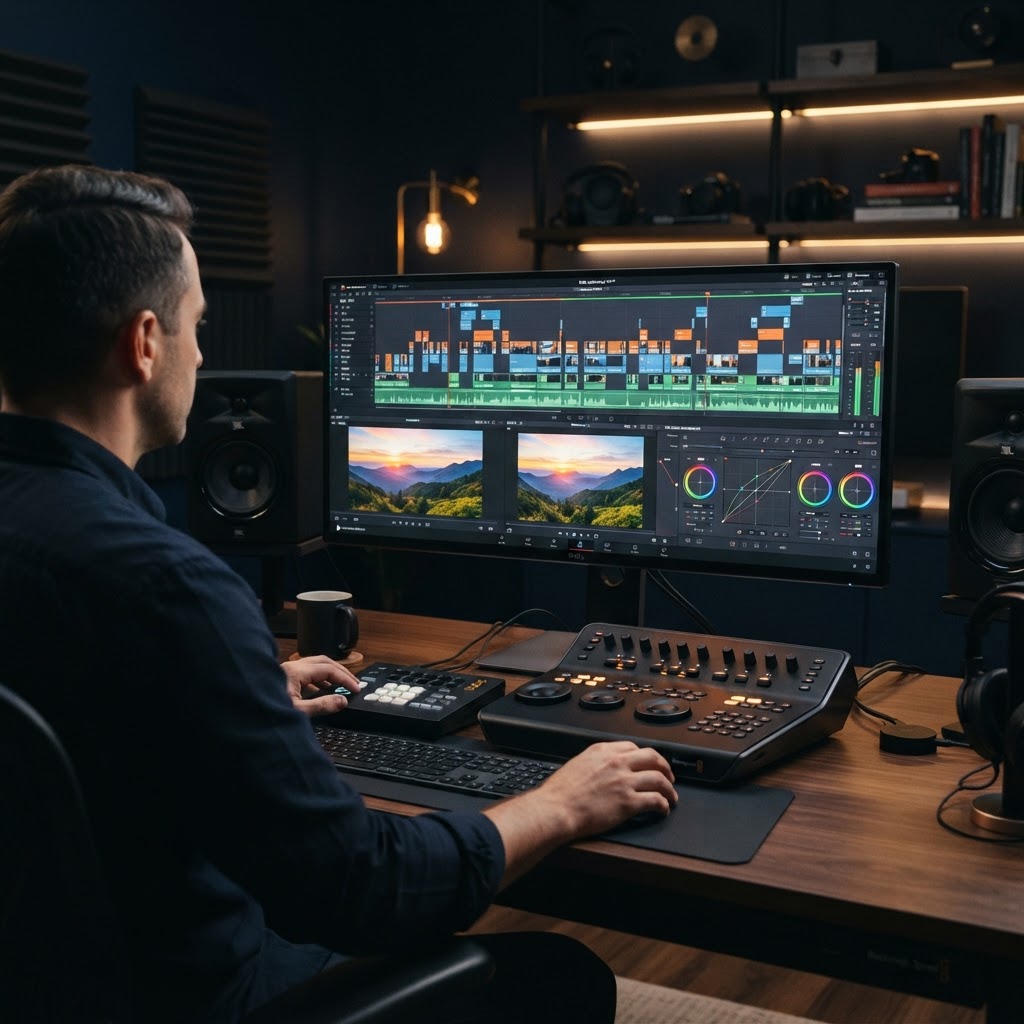
In the dynamic world of social media, where visual content reigns supreme, the quality and impact of your videos can make or break your marketing efforts. From short-form TikToks to in-depth YouTube explainers, every frame contributes to your brand\'s narrative and audience engagement. While compelling narratives and crisp cinematography are crucial, there\'s a subtle yet powerful element that often goes unnoticed by the untrained eye but profoundly influences viewer perception: color grading.
For businesses and marketing professionals in Las Vegas and beyond, understanding the nuances of professional video editing, particularly color grading, is no longer a luxury but a necessity. In a city known for its vibrant lights and captivating spectacles, standing out in the digital crowd requires an unparalleled commitment to visual excellence. Social Content Masters, a leading social media marketing agency in Las Vegas, understands this imperative. We know that a professionally color-graded video can transform raw footage into a captivating visual experience, evoking specific emotions, enhancing brand identity, and ultimately driving conversions.
This comprehensive guide will delve into the critical role of color grading in professional social media video editing. We\'ll explore how this post-production technique goes beyond simple color correction, delving into the art and science of visual storytelling. From setting the mood to ensuring brand consistency, we\'ll uncover why color grading is an indispensable tool for businesses aiming to elevate their social media presence and connect more deeply with their target audience. Join us as we illuminate the power of color and its profound impact on your social media marketing success.
Understanding Color Grading: More Than Just Pretty Colors
Before we dive deeper into the impact of color grading, it\'s essential to clarify what it is and how it differs from its close cousin, color correction. While often used interchangeably, these two processes serve distinct purposes in video post-production.
Color Correction: The Technical Foundation
Color correction is the foundational step in the video editing workflow. Its primary goal is to achieve a neutral, accurate, and consistent image across all shots within a video. Think of it as the technical cleanup crew, ensuring that whites are truly white, blacks are truly black, and skin tones appear natural. This process involves [1]:
White Balance: Adjusting colors to remove unrealistic color casts, making sure colors appear as they would in real life.
Exposure: Correcting the brightness and darkness of the footage to ensure details are visible in both highlights and shadows.
Contrast: Adjusting the difference between the lightest and darkest areas of the image to add depth and dimension.
Matching Shots: Ensuring visual consistency between different camera angles or scenes, especially when footage is shot under varying lighting conditions or with different cameras.
The aim of color correction is purely technical: to bring the footage to a baseline of visual accuracy and uniformity. It\'s about fixing problems and creating a clean canvas for the next stage.
Color Grading: The Artistic Expression
Once the footage is color-corrected, color grading steps in. This is where the artistry truly begins. Color grading is the creative process of manipulating the colors in a video to evoke specific emotions, establish a particular mood, enhance storytelling, and align with a brand\'s aesthetic. It\'s about [2]:
Setting the Mood and Tone: Using color palettes to convey emotions like warmth, coolness, tension, or tranquility. For instance, a warm, golden hue might evoke feelings of nostalgia or comfort, while cool blues and greens could suggest mystery or serenity.
Enhancing Storytelling: Guiding the viewer\'s eye and emphasizing key elements within a scene. A splash of vibrant color on a particular object can draw attention to its significance.
Establishing Brand Identity: Creating a consistent visual signature for a brand. Just as a logo or font defines a brand, a unique color grade can make a brand\'s video content instantly recognizable and reinforce its personality.
Stylizing the Footage: Applying creative looks, often inspired by cinematic styles, to give the video a unique and polished appearance. This could involve creating a desaturated, gritty look for a dramatic effect or a bright, high-contrast look for an energetic commercial.
In essence, color correction is about making the video look right, while color grading is about making it look good and feel right for the intended message and audience. Both are crucial, but color grading is where the magic happens, transforming raw footage into a powerful communication tool.
References:
[1] https://www.captions.ai/blog-post/color-grading
Why Color Grading is Crucial for Social Media Videos
In the fast-paced, visually-driven landscape of social media, capturing and retaining audience attention is paramount. Users scroll through feeds at lightning speed, making first impressions critical. This is where professional color grading becomes an invaluable asset for businesses and marketing professionals, especially in a competitive market like Las Vegas.
1. Instant Engagement and First Impressions
Social media users make snap judgments. A visually appealing video, often characterized by its polished color grade, immediately stands out from the sea of amateur content. In Las Vegas, where every business vies for attention, a video with a captivating color palette can be the difference between a user scrolling past and stopping to engage. It signals professionalism and attention to detail, inviting viewers to learn more.
2. Emotional Connection and Storytelling
Colors evoke emotions. A skilled colorist can manipulate hues, saturation, and contrast to elicit specific feelings in the viewer, aligning with the video\'s message and the brand\'s desired perception. For a Las Vegas resort, a warm, inviting color grade can convey luxury and relaxation, while a vibrant, high-energy grade might be perfect for promoting a nightclub or entertainment venue. This emotional resonance helps build a deeper connection with the audience, making the content more memorable and impactful.
3. Brand Consistency and Recognition
In the digital age, a strong brand identity is non-negotiable. Color grading plays a significant role in maintaining visual consistency across all video content. By applying a consistent color grade, businesses can reinforce their brand\'s aesthetic, making their videos instantly recognizable. Imagine a series of promotional videos for a Las Vegas show; a consistent color grade across all clips creates a cohesive visual narrative, strengthening brand recall and trust. This consistency is vital for building a recognizable and trustworthy presence on social media.
4. Professionalism and Credibility
Amateur videos often suffer from inconsistent lighting, poor color balance, and a generally unpolished look. Professional color grading elevates the perceived quality of your video content, signaling credibility and expertise. For businesses in Las Vegas, where competition is fierce, presenting a polished and professional image through high-quality video content is essential for attracting and retaining clients. It demonstrates a commitment to excellence that resonates with discerning audiences.
5. Standing Out in a Crowded Market
Social media platforms are saturated with content. To cut through the noise, businesses need every advantage they can get. Color grading provides a distinct visual edge, allowing your videos to pop and capture attention. In a city like Las Vegas, where visual spectacle is part of the DNA, leveraging professional color grading ensures your social media content not only competes but truly shines, reflecting the high standards of the Las Vegas market itself.
6. Optimizing for Different Platforms
Different social media platforms have varying display characteristics and audience behaviors. A professional colorist understands these nuances and can optimize the color grade for each platform, ensuring the video looks its best whether it\'s viewed on a mobile phone on Instagram or a desktop on YouTube. This adaptability is key to maximizing reach and impact across diverse social media ecosystems.
Key Elements of Effective Color Grading for Social Media
Achieving a compelling color grade involves a nuanced understanding of several key elements. It’s not just about applying a filter; it’s about making deliberate choices that serve the video’s purpose and resonate with the target audience.
1. Color Harmony and Psychology
Colors have a profound psychological impact. Understanding color theory and how different colors interact is fundamental to effective color grading. For example, warm colors (reds, oranges, yellows) tend to evoke feelings of energy, passion, or comfort, while cool colors (blues, greens, purples) often convey calmness, sophistication, or even sadness. A skilled colorist uses these psychological associations to reinforce the video’s message. For a Las Vegas tourism campaign, a color grade might emphasize vibrant, energetic hues to reflect the city’s lively atmosphere, while a video for a luxury spa might lean towards calming, muted tones.
2. Contrast and Dynamic Range
Contrast refers to the difference between the lightest and darkest areas of an image. A well-graded video utilizes contrast to create depth, dimension, and visual interest. Dynamic range, on the other hand, refers to the range of tones from pure black to pure white that a camera can capture. Professional color grading ensures that details are preserved in both the brightest highlights and the deepest shadows, leading to a richer, more cinematic look. This is particularly important for social media, where videos are often viewed on various devices with different screen qualities.
3. Saturation and Vibrance
Saturation refers to the intensity or purity of a color. High saturation makes colors appear vivid and bold, while low saturation results in more muted or desaturated tones. Vibrance is a more intelligent form of saturation that boosts the intensity of muted colors while leaving already saturated colors relatively untouched, preventing oversaturation of skin tones. The careful adjustment of saturation and vibrance can significantly alter the mood of a video. A highly saturated video might feel energetic and playful, while a desaturated look can evoke a sense of drama or realism.
4. Skin Tones and Color Consistency
One of the most critical aspects of professional color grading, especially for videos featuring people, is ensuring accurate and pleasing skin tones. Viewers are highly attuned to how skin looks, and unnatural skin tones can immediately make a video appear unprofessional. A skilled colorist prioritizes natural-looking skin tones while still achieving the desired overall aesthetic. Furthermore, maintaining color consistency across different shots and scenes within a video is paramount for a seamless viewing experience. Inconsistent colors can be jarring and distract from the message.
5. Creative Looks and LUTs (Look-Up Tables)
Color grading often involves applying
creative looks, often through the use of Look-Up Tables (LUTs). LUTs are essentially mathematical formulas that transform color values from an input image to an output image, allowing for quick application of complex color grades. While readily available, professional colorists use LUTs as a starting point, fine-tuning them to perfectly match the specific footage and creative vision. This allows for efficient workflow while maintaining a high degree of customization and artistic control.
The Process of Professional Color Grading
Professional color grading is a meticulous process that typically involves several stages, often performed by dedicated colorists with specialized software and hardware. While the exact workflow can vary, the general steps include:
1. Preparation and Organization
Before any color adjustments begin, the footage needs to be properly organized and prepared. This involves importing all video clips into the color grading software, ensuring they are correctly synced with audio, and creating a timeline. For optimal results, footage should ideally be shot in a flat, log profile, which preserves the maximum amount of dynamic range and color information, providing more flexibility in post-production.
2. Color Correction (Technical Pass)
As discussed earlier, color correction is the first and most crucial step. The colorist addresses any technical inconsistencies in the footage, ensuring proper white balance, exposure, and contrast. The goal here is to create a neutral, consistent base across all clips, making sure that the colors are accurate and the image is clean. This stage often involves using scopes (waveform monitors, vectorscopes, and histograms) to objectively analyze the color and luminance values of the footage.
3. Primary Grading (Global Adjustments)
Once the footage is color-corrected, the primary grading begins. This involves making global adjustments to the entire image to establish the overall look and feel. This can include adjusting the overall brightness, contrast, saturation, and color balance to achieve the desired mood. For example, a colorist might apply a subtle warm tint to an entire scene to evoke a cozy atmosphere or a cool blue tint to suggest a more somber tone.
4. Secondary Grading (Targeted Adjustments)
Secondary grading allows for more precise and localized adjustments. This is where the colorist can isolate specific colors or areas of the image and manipulate them independently. For instance, they might enhance the vibrancy of a particular object, adjust the skin tones of an actor without affecting the background, or create a vignette to draw attention to the center of the frame. This level of control is essential for fine-tuning the visual narrative and ensuring every element contributes to the overall aesthetic.
5. Look Development and Stylization
This is the creative heart of color grading. Based on the project\'s creative brief and desired aesthetic, the colorist develops a unique
look or style for the video. This might involve applying cinematic looks, emulating film stocks, or creating a unique visual signature that aligns with the brand’s identity. This stage often involves experimentation and collaboration with the client to achieve the perfect visual tone.
6. Finalization and Export
Once the color grade is approved, the video is rendered and exported in the appropriate format for its intended platform. This involves ensuring that the color space and codecs are correctly configured to maintain the integrity of the color grade across different viewing environments. For social media, this often means optimizing for various platforms like Instagram, Facebook, TikTok, and YouTube, each with its own specifications and best practices.
Tools and Software for Professional Color Grading
Professional color grading relies on powerful software and, in many cases, specialized hardware. While many video editing suites offer basic color correction tools, dedicated color grading software provides a more comprehensive and precise set of features. Some of the industry-standard tools include:
DaVinci Resolve: Widely considered the industry standard for color grading, DaVinci Resolve offers an incredibly robust and comprehensive set of tools for color correction, grading, and even editing and visual effects. It has a free version that is highly capable, making it accessible to a wide range of users.
Adobe Premiere Pro: While primarily a video editing software, Premiere Pro includes powerful Lumetri Color tools that allow for significant color correction and grading within the editing timeline. It’s a popular choice for editors who want an integrated workflow.
Final Cut Pro X: Apple’s professional video editing software also offers strong built-in color correction and grading capabilities, with an intuitive interface that appeals to many content creators.
Avid Media Composer: A long-standing industry favorite for professional film and television production, Avid also provides advanced color tools within its ecosystem.
Beyond software, professional colorists often utilize specialized hardware such as color grading panels (e.g., Tangent Element, Blackmagic Design DaVinci Resolve Mini Panel) that provide tactile control over color parameters, allowing for more precise and intuitive adjustments. Calibrated monitors are also essential to ensure that the colors viewed during the grading process are accurate and consistent with how they will appear to the audience.
The Las Vegas Edge: Local Insights in Color Grading
For businesses in Las Vegas, the role of color grading takes on a unique significance. The city itself is a canvas of vibrant colors, from the neon glow of the Strip to the natural beauty of the surrounding desert landscapes. Incorporating local market insights into color grading can significantly enhance the impact and relevance of social media video content.
1. Reflecting the City\'s Vibe
Las Vegas is synonymous with excitement, entertainment, and a certain larger-than-life quality. Color grading can be used to capture and amplify this unique vibe. For a video promoting a new show or nightclub, a color grade might lean towards bold, saturated colors with strong contrasts to reflect the energy and spectacle. Conversely, for a luxury resort or spa, a more refined, elegant color palette with subtle shifts in tone can convey sophistication and tranquility, mirroring the high-end experiences available in the city.
2. Highlighting Local Landmarks and Experiences
When showcasing iconic Las Vegas landmarks like the Bellagio Fountains, the High Roller, or the vibrant Fremont Street Experience, color grading can be used to make these visuals truly pop. Enhancing the blues of the water, the rich greens of the foliage, or the dazzling array of lights can create a more immersive and appealing visual experience for potential tourists and locals alike. For businesses offering unique Las Vegas experiences, such as helicopter tours over the Grand Canyon or culinary adventures, color grading can emphasize the natural beauty or the delectable appeal of these offerings.
3. Catering to the Target Audience
Las Vegas attracts a diverse audience, from international tourists to convention-goers and local residents. Understanding the specific target audience for a video allows for a more tailored color grading approach. A video aimed at a younger, trend-conscious demographic might benefit from a more stylized, perhaps even slightly edgy, color grade, while content for a more mature, affluent audience might require a classic, polished look. Social Content Masters, with its deep understanding of the Las Vegas market, can advise on the most effective color grading strategies to resonate with specific segments of the local and visiting population.
4. Consistency Across Campaigns
Many Las Vegas businesses run extensive marketing campaigns across various platforms. Maintaining a consistent color grade across all video assets, from short social media ads to longer promotional videos, is crucial for brand recognition. This consistency builds trust and ensures that the brand’s visual identity is cohesive and memorable, a vital aspect in a city where brand recall is key to standing out.
Conclusion: The Unseen Power of Color in Social Media Marketing
In the competitive arena of social media, where visual content dictates engagement, the role of color grading cannot be overstated. It is the silent storyteller, the emotional conductor, and the brand builder that transforms ordinary footage into extraordinary visual experiences. For businesses and marketing professionals in Las Vegas, leveraging professional color grading is not just about making videos look good; it’s about making them perform better.
From capturing immediate attention and forging emotional connections to ensuring brand consistency and projecting professionalism, color grading is an indispensable tool in the modern social media marketing arsenal. It’s the subtle artistry that elevates your content, making it resonate more deeply with your audience and stand out in a visually saturated digital world.
Don’t let your social media videos blend into the background. Unleash the full potential of your visual content with expert color grading. Contact Social Content Masters today for professional social media marketing services and discover how our expertise can illuminate your brand’s story and drive tangible results in the vibrant Las Vegas market and beyond.
CTA: Contact Social Content Masters for professional social media marketing services
AI Image Prompts
1. Prompt: A vibrant, professionally color-graded social media video playing on a smartphone, with a blurred background of the Las Vegas Strip at night. The video shows dynamic, rich colors that pop, and the smartphone is held by a hand. Focus on the screen\'s vividness and the contrast with the city lights. Aspect ratio: 16:9.
2. Prompt: A split image showing two versions of the same video frame. On the left, the raw, uncorrected footage appears flat and dull. On the right, the same frame is beautifully color-graded, with enhanced contrast, vibrant colors, and a cinematic feel. The background is a modern video editing studio with subtle Las Vegas elements. Aspect ratio: 16:9.
3. Prompt: A close-up of a color grading control panel (like a DaVinci Resolve Mini Panel) with hands adjusting knobs and sliders. The screen in the background displays a video frame with a dramatic color shift, illustrating the power of color grading. The setting is a professional, dimly lit studio. Aspect ratio: 16:9.
4. Prompt: A diverse group of business owners and marketing professionals in Las Vegas looking intently at a large screen displaying a stunningly color-graded social media video. Their expressions show engagement and understanding of the visual impact. The room is modern and professional. Aspect ratio: 16:9.
5. Prompt: An abstract representation of color theory, with a spectrum of colors flowing into a stylized social media play button icon. The colors transition from muted to vibrant, symbolizing the transformation through color grading. Incorporate subtle elements of Las Vegas architecture in the background. Aspect ratio: 16:9.
Want content like this made for your brand?
We script, film, edit, and post. You get your time back.
Book a Consultation